By Tridib Biswas
The Domestication of Indian Foreign Policy
In today’s multipolar world of shifting dynamics, one of the most interesting foreign policies to look at rests in India. With the country shedding the shackles of colonialism less than a century ago, today India finds itself as the 6th largest economy,[1] a military force bearing nuclear arms,[2] and a nation that contributes aid and support to many countries across the world.[3] To analyse this phenomenon, it is of question how the nation’s global footprint has advanced over time. In this article, Indian foreign policy will be traced from the Nehruvian era, and an analysis will be carried out on its evolution into the Modi era of foreign policy. The key argument which will be put forward is the fundamental shift Indian foreign policy has seen. One wherein the delivery of it is exceptionally unique to the Modi administration. To argue this point, this article will first trace India’s foreign policy up until the period of Modi’s predecessor, Prime Minister Manmohan Singh. Upon analysing how India’s tryst with foreign policy was hinged on inter-state relations, and ensuring its regional security, this article will interject by portraying how this is a minimalist understanding of Indian foreign policy. Since Modi’s arrival at 7 Lok Kalyan Marg, there has been a strategic shift in the way which Indian foreign policy has been delivered. One through an Indian lens, and being fundamentally different to his predecessors.
Tracing Indian Foreign Policy:
To understand the state of Indian foreign policy today, it would be remiss to not begin with the foreign policy precedent, set by Prime Minister Jawaharlal Nehru. One of the first issues Nehru had to deal with was guiding India through the regional insecurities left by the partition .[4] As argued by Raghavan “India and Pakistan had been rivals from the moment of partition and independence in August 1947.”[5] As a result, Power notes how Nehru’s foreign policy was overwhelmingly concerned with establishing healthy relations with Pakistan.[6] This was certainly a priority given the hostilities which unfolded when Pakistan launched an invasion on Kashmiri territory soon after independence.[7] To tackle this, Nehru’s foreign policy was conducted in accordance with the liberal international order. Briefly, the liberal international order upholds human rights, empowers international institutions, and promotes liberal democracies.[8] Empirical cases to prove Nehru abiding by this include welcoming the creation of the United Nations, fighting for decolonisation across the world, and signing the 1960 Indus Water Treaty with Pakistan with the support of the World Bank.[9] With this honeymoon with liberalism being short-lived after the embarrassing Hindi-Chini, Bhai-Bhai façade which led to humiliation of the 1962 India-China war,[10] India entered a period of friction with the torchbearer of the liberal order, the United States and liberal democracy itself.[11] Infamous scenarios include Prime Minister Indira Gandhi being called a “bitch” by the Nixon administration amidst brewing tensions in East Pakistan,[12] suspension of democracy under her premiership,[13] and facing sanctions in the 1990s due to nuclearisation.[14] It was only in the mid 2000s under Prime Minister Manmohan Singh after the US Civil Nuclear Deal which not just relaxed relations with the US, but also marked India as a multi-aligned country.[15] As illuminated by Wagner, it is these very crests and troughs of Indian foreign policy which have facilitated India’s rise as a global power in South Asia.[16]
Therefore, what we have seen from the foreign policy of Nehru until Manmohan Singh was largely based on establishing relations with states, maintaining strategic balance, and ensuring the needs of India are met. In fact, it is argued that this has subsequently transpired into Modi’s tenure as Prime Minister.[17] There is tremendous focus laid upon the partners with which India maintains relations with and pursues foreign policy. However, what is essential to note is that foreign policy cannot simply be reduced to relations with other states. The following section will provide an argument for Modi’s foreign policy being distinct, particularly in its delivery from those who took the mantle before him. One manner to think about the domestication of foreign policy is by using the example of China’s initiatives such as the values of the Chinese Dream, and the celebration of ideas such as the Silk Road through the Belt and Road Initiative.[18]
A Shift in Foreign Policy:
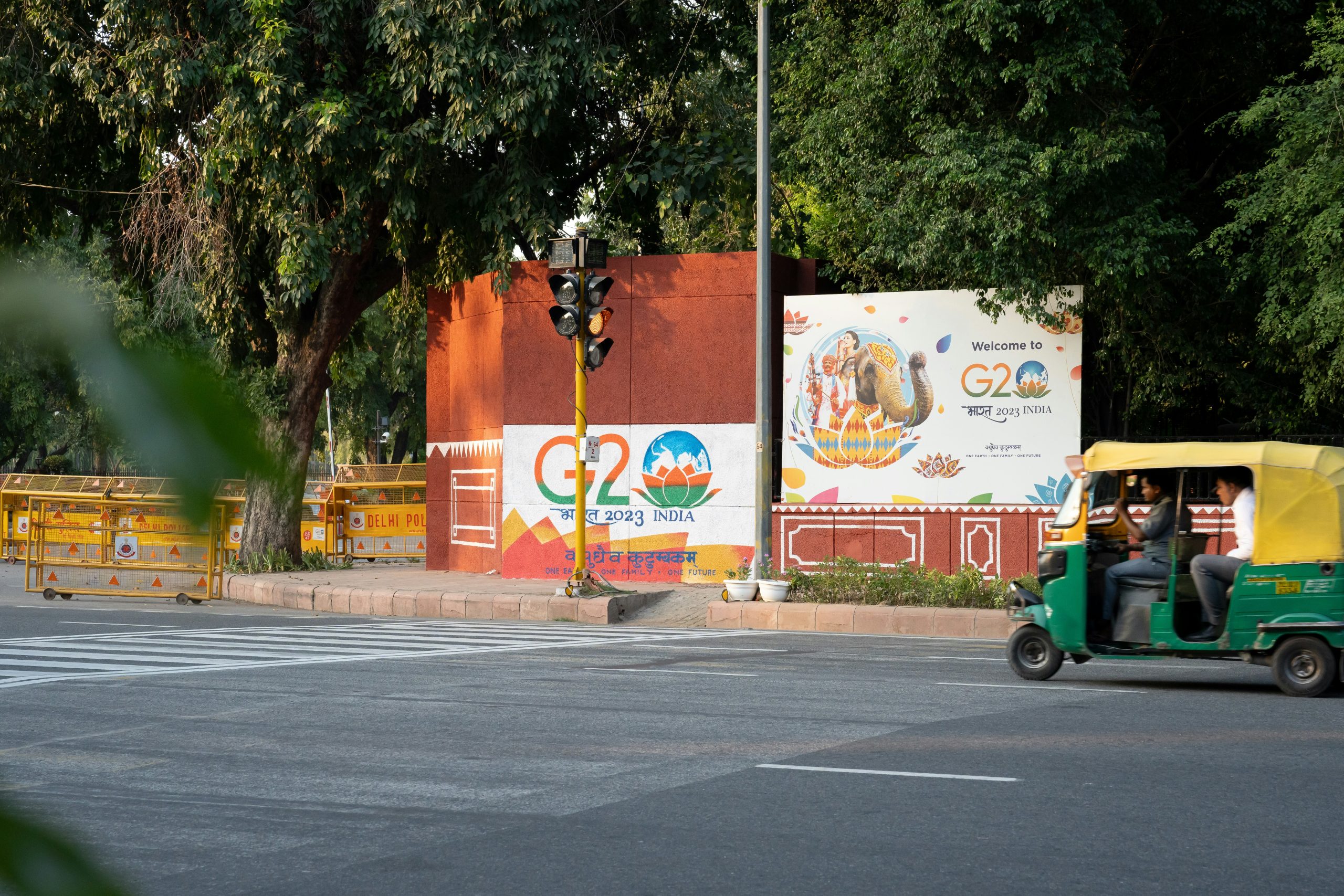
Ganguly argues that the Modi administration has not seen a substantial change compared to his predecessors.[19] The key empirical backing to substantiate this claim include the strategic balances India has maintained between global superpowers. Further evidence includes the healthy relationship Modi holds with the Kremlin, a result of the 1971 Indo-Soviet Friendship Treaty. Regarding India’s territorial security, Modi and his predecessors have also had stretches of hostility with their neighbours. For example, tense situations existed prominently during the premierships of Lal Bahadur Shastri, Indira Gandhi, Atal Bihari Vajpayee, and Manmohan Singh. This may then take us into concluding that Modi and his predecessors after all are not too different from one another.[20] However, the key facet missing in these analyses is the manner in which Modi has domesticated foreign policy. Narang and Staniland note how foreign policy has been at the forefront of electoral campaigns since the arrival of PM Modi.[21] While this may allude to the fact that foreign policy is used as a political tool, the key difference to note between Modi and his predecessors is the delivery. It is critical to note an obvious difference which is the use of religion, which had little relevance in India’s nascent stage of foreign policy.[22] A noteworthy facet of shifting foreign policy dynamics within India has been the high level of foreign engagement. Hall and Ganguly note how Modi embarked on more foreign trips in his first term between 2014-2019, than his predecessor Prime Minister Manmohan Singh did in a decade.[23] The key difference to take into account of Modi’s foreign policy is how successfully the administration’s domestic politics has melted into the country’s foreign policy. The 2019 Howdy Modi visit where Prime Minister Modi visited President Donald Trump is highly significant. A research study by De Souza, and Hussain found that the 2019 Howdy Modi rally played a part in spreading Hindutva in America.[24] Most recently in the 2026 BRICS Summit held in New Delhi only served vegetarian food. With Hindutva championing vegetarian diet, it suggests evidence of how consequential diplomatic summits serve as platforms for Modi to showcase his style of Indian diplomacy.[25] While this was met with criticism from his domestic opposition, one of his ministers defended their actions at the BRICS Summit arguing that it was to show India’s “diverse regional traditions.”[26] These observations are not to suggest whether the spread of Hindutva is right or wrong. Rather, it is to present a case as to how effectively Modi has made a domestic political ideology, global. Therefore, what can be seen is how Hindu nationalism has been at the forefront of projecting India’s foreign policy under Prime Minister Modi. One of the biggest moments was during the recent 2023 G-20 Summit, where the conference was used to promote “Prime Minister Shri Narendra Modi’s vision of ‘Viksit Bharth’ by 2047 is rooted in all-round, all-pervasive, and all-inclusive development.”[27] With the G-20 Summit in Delhi having the name ‘Bharat’ instead of ‘India’, what we see from Modi is reinforcing a narrative of diplomacy, where the Indian tinge is unavoidable. Hence, what we can note is that while the relations have still been maintained by Prime Minister Modi, the delivery of maintaining and strengthening them have been different.
Conclusion:
What this article has studied is the trajectory of Indian politics. From the Nehruvian style foreign policy abiding by liberal values, to scenarios of finding global partners and fending for itself against major powers, and finally ending at a situation wherein foreign policy becomes intertwined with domestic politics. Foreign policy cannot inherently be reduced to inter-state relations. Once there is an analysis of the delivery and means of it, there is a difference in not how states are dealt with, but how Indian diplomacy is framed. Therefore, with the high visibility of Indian values, and high level of political engagement with foreign policy, it has provided a different view of Indian foreign policy. While structural factors such as economic growth, military modernisation, and regional tensions played a role in India’s rise, the foreign policy cannot be dependent on these alone.
[1]International Monetary Fund. 2026. ‘GDP, Current Prices’. International Monetary Fund. https://www.imf.org/external/datamapper/NGDPD@WEO/OEMDC/ADVEC/WEOWORLD
[2] ICAN. 2026. ‘The World’s Nuclear Weapons’. ICAN. https://www.icanw.org/nuclear_arsenals.
[3]Ministry of External Affairs . 2026. ‘India Continues to Offer Rescue and Relief Assistance to Nepal | Ministry of External Affairs , Government of India’. Mea.Gov.In. https://www.mea.gov.in/press-releases?dtl/41731/India_continues_to_offer_rescue_and_relief_assistance_to_Nepal.
[4]Khan, Yasmin. 2017. ‘The Great Partition – Yale University Press London’. Yale University Press London, February 8. https://yalebooks.co.uk/book/9780300230321/the-great-partition/.
[5]Raghavan, Srinath. 1971: A global history of the creation of Bangladesh. Harvard University Press, 2013.
[6]Power, Paul F. 1964. ‘Indian Foreign Policy: The Age of Nehru’. The Review of Politics 26 (02): 257. https://doi.org/10.1017/s0034670500004770.
[7]Iqbal, Mohammad Zubair, and Shabir Hussain. “Indo-Pak wars (1948, 1965, 1971, 1999): Projecting the nationalistic narrative.” J. Pol. Stud. 25 (2018): 139.
[8]Ikenberry, G. J. (2024). Three worlds: The west, east and south and the competition to shape global order. International Affairs, 100(1), 121–138. https://doi.org/10.1093/ia/iiad284
[9]Wagner, Christian. 2010. ‘India’s Gradual Rise’. Politics 30 (1_suppl): 63–70.
[10]Nisar, R. D. 2019. ‘India-US Relations Through the Lens of Cold War: The Time of Estranged Relations (Brief Overview)’. RUDN Journal of Public Administration 6 (4): 286–95. https://journals.rudn.ru/public-administration/article/view/23551/18122.
[11]Ikenberry, G. J. (2024). Three worlds: The west, east and south and the competition to shape global order. International Affairs, 100(1), 121–138. https://doi.org/10.1093/ia/iiad284
[12]U.S. Department of State. 2005. ‘Conversation Among President Nixon, the President’s Assistant for National Security Affairs (Kissinger), and the President’s Chief of Staff (Haldeman), Washington, November 5, 1971, 8:15-9:00 A.M. ’. State.Gov. https://2001-2009.state.gov/r/pa/ho/frus/nixon/e7/48529.htm.
[13]Klieman, Aaron S. 1981. ‘Indira’s India: Democracy and Crisis Government’. Political Science Quarterly 96 (2): 241–59. https://doi.org/10.2307/2150338.
[14]Indurthy, Rathnam. “India and the Clinton-Bush administrations: why friction to friendship in the aftermath of India’s nuclear testing is not likely to lead to a strategic partnership.” World Affs. 165 (2002): 3.
[15]Malone, David M. Does the elephant dance?: contemporary Indian foreign policy. OUP Oxford, 2011.
[16]Wagner, Christian. 2010. ‘India’s Gradual Rise’. Politics 30 (1_suppl): 63–70.
[17] Pande, A. (2025). India’s Multi-Alignment and Rising Geopolitical Profile. [online] Hudson Institute. Available at: https://www.hudson.org/foreign-policy/indias-multi-alignment-rising-geopolitical-profile-aparna-pande.
[18]Callahan, William A. 2016. ‘China’s “Asia Dream”: The Belt Road Initiative and the New Regional Order’. Asian Journal of Comparative Politics 1 (3): 226–43. https://doi.org/10.1177/2057891116647806.
[19]Ganguly, Sumit. 2017. ‘Has Modi Truly Changed India’s Foreign Policy?’. The Washington Quarterly 40 (2): 131–43. https://doi.org/10.1080/0163660x.2017.1328929.
[20]Gupta, Surupa, Rani D Mullen, Rajesh Basrur, et al. 2018. ‘Indian Foreign Policy Under Modi: A New Brand or Just Repackaging?’. International Studies Perspectives 20 (1): 1–45. https://doi.org/10.1093/isp/eky008.
[21]Narang, Vipin, and Paul Staniland. 2018. ‘Democratic Accountability and Foreign Security Policy: Theory and Evidence From India’. Security Studies 27 (3): 410–47. https://doi.org/10.1080/09636412.2017.1416818.
[22]Ganguly, Sumit. 2015. HINDU NATIONALISM and the FOREIGN POLICY of INDIA’S BHARATIYA JANATA PARTY. https://newn.cam.ac.uk/sites/default/files/2024-12/Ganguly_HinduNationalismForeignPolicy_Jun15_web.pdf.
[23]Hall, Ian, and Šumit Ganguly. 2021. ‘Introduction: Narendra Modi and India’s Foreign Policy’. International Politics 59 (1). https://doi.org/10.1057/s41311-021-00363-8.
[24]De Souza, Rebecca, and Syed Ali Hussain. 2021. ‘“Howdy Modi!”: Mediatization, Hindutva, and Long Distance Ethnonationalism’. Journal of International and Intercultural Communication 16 (2): 1–24. https://doi.org/10.1080/17513057.2021.1987505.
[25]Hasnain, Aseem, and Abhilasha Srivastava. 2023. ‘Vegetarianism Without Vegetarians: Caste Ideology and the Politics of Food in India’. Food and Foodways 31 (4): 1–23. https://doi.org/10.1080/07409710.2023.2261721.
[26]Zhuang, Yan, and Alex Travelli. 2026. ‘Modi Served World Leaders a Meatless Meal, and His Critics Pounced’. The New York Times, September 14. https://www.nytimes.com/2026/09/14/world/asia/india-brics-vegetarian-dinner.html.
[27]Sujith, R. “India’s G20 Presidency: Leading the Charge Towards a Multi-Polar World and a Viksit Bharat.” Journal of East-West Thought (JET) ISSN (O): 2168-2259 UGC CARE I15, no. 1 (2025): 324-330.
Bibliography
Callahan, William A. 2016. ‘China’s “Asia Dream”: The Belt Road Initiative and the New Regional Order’. Asian Journal of Comparative Politics 1 (3): 226–43. https://doi.org/10.1177/2057891116647806.
De Souza, Rebecca, and Syed Ali Hussain. 2021. ‘“Howdy Modi!”: Mediatization, Hindutva, and Long Distance Ethnonationalism’. Journal of International and Intercultural Communication 16 (2): 1–24. https://doi.org/10.1080/17513057.2021.1987505.
Ganguly, Sumit. 2015. HINDU NATIONALISM and the FOREIGN POLICY of INDIA’S BHARATIYA JANATA PARTY. https://newn.cam.ac.uk/sites/default/files/2024-12/Ganguly_HinduNationalismForeignPolicy_Jun15_web.pdf.
Ganguly, Sumit. 2017. ‘Has Modi Truly Changed India’s Foreign Policy?’. The Washington Quarterly 40 (2): 131–43. https://doi.org/10.1080/0163660x.2017.1328929.
Gupta, Surupa, Rani D Mullen, Rajesh Basrur, et al. 2018. ‘Indian Foreign Policy Under Modi: A New Brand or Just Repackaging?’. International Studies Perspectives 20 (1): 1–45. https://doi.org/10.1093/isp/eky008.
Hall, Ian, and Šumit Ganguly. 2021. ‘Introduction: Narendra Modi and India’s Foreign Policy’. International Politics 59 (1). https://doi.org/10.1057/s41311-021-00363-8.
Hasnain, Aseem, and Abhilasha Srivastava. 2023. ‘Vegetarianism Without Vegetarians: Caste Ideology and the Politics of Food in India’. Food and Foodways 31 (4): 1–23. https://doi.org/10.1080/07409710.2023.2261721.
ICAN. 2026. ‘The World’s Nuclear Weapons’. ICAN. https://www.icanw.org/nuclear_arsenals.
Ikenberry, G. J. (2024). Three worlds: The west, east and south and the competition to shape global order. International Affairs, 100(1), 121–138. https://doi.org/10.1093/ia/iiad284
Indurthy, Rathnam. “India and the Clinton-Bush administrations: why friction to friendship in the aftermath of India’s nuclear testing is not likely to lead to a strategic partnership.” World Affs. 165 (2002): 3.
International Monetary Fund. 2026. ‘GDP, Current Prices’. International Monetary Fund. https://www.imf.org/external/datamapper/NGDPD@WEO/OEMDC/ADVEC/WEOWORLD.
Iqbal, Mohammad Zubair, and Shabir Hussain. “Indo-Pak wars (1948, 1965, 1971, 1999): Projecting the nationalistic narrative.” J. Pol. Stud. 25 (2018): 139.
Khan, Yasmin. 2017. ‘The Great Partition – Yale University Press London’. Yale University Press London, February 8. https://yalebooks.co.uk/book/9780300230321/the-great-partition/.
Klieman, Aaron S. 1981. ‘Indira’s India: Democracy and Crisis Government’. Political Science Quarterly 96 (2): 241–59. https://doi.org/10.2307/2150338.
Malone, David M. Does the elephant dance?: contemporary Indian foreign policy. OUP Oxford, 2011.
Ministry of External Affairs . 2026. ‘India Continues to Offer Rescue and Relief Assistance to Nepal | Ministry of External Affairs , Government of India’. Mea.Gov.In. https://www.mea.gov.in/press-releases?dtl/41731/India_continues_to_offer_rescue_and_relief_assistance_to_Nepal.
Narang, Vipin, and Paul Staniland. 2018. ‘Democratic Accountability and Foreign Security Policy: Theory and Evidence From India’. Security Studies 27 (3): 410–47. https://doi.org/10.1080/09636412.2017.1416818.
Nisar, R. D. 2019. ‘India-US Relations Through the Lens of Cold War: The Time of Estranged Relations (Brief Overview)’. RUDN Journal of Public Administration 6 (4): 286–95. https://journals.rudn.ru/public-administration/article/view/23551/18122.
Pande, A. (2025). India’s Multi-Alignment and Rising Geopolitical Profile. [online] Hudson Institute. Available at: https://www.hudson.org/foreign-policy/indias-multi-alignment-rising-geopolitical-profile-aparna-pande.
Power, Paul F. 1964. ‘Indian Foreign Policy: The Age of Nehru’. The Review of Politics 26 (02): 257. https://doi.org/10.1017/s0034670500004770.
Raghavan, Srinath. 1971: A global history of the creation of Bangladesh. Harvard University Press, 2013.
Sujith, R. “India’s G20 Presidency: Leading the Charge Towards a Multi-Polar World and a Viksit Bharat.” Journal of East-West Thought (JET) ISSN (O): 2168-2259 UGC CARE I15, no. 1 (2025): 324-330.
U.S. Department of State. 2005. ‘Conversation Among President Nixon, the President’s Assistant for National Security Affairs (Kissinger), and the President’s Chief of Staff (Haldeman), Washington, November 5, 1971, 8:15-9:00 A.M. ’. State.Gov. https://2001-2009.state.gov/r/pa/ho/frus/nixon/e7/48529.htm.
Wagner, Christian. 2010. ‘India’s Gradual Rise’. Politics 30 (1_suppl): 63–70.
Zhuang, Yan, and Alex Travelli. 2026. ‘Modi Served World Leaders a Meatless Meal, and His Critics Pounced’. The New York Times, September 14. https://www.nytimes.com/2026/09/14/world/asia/india-brics-vegetarian-dinner.html.